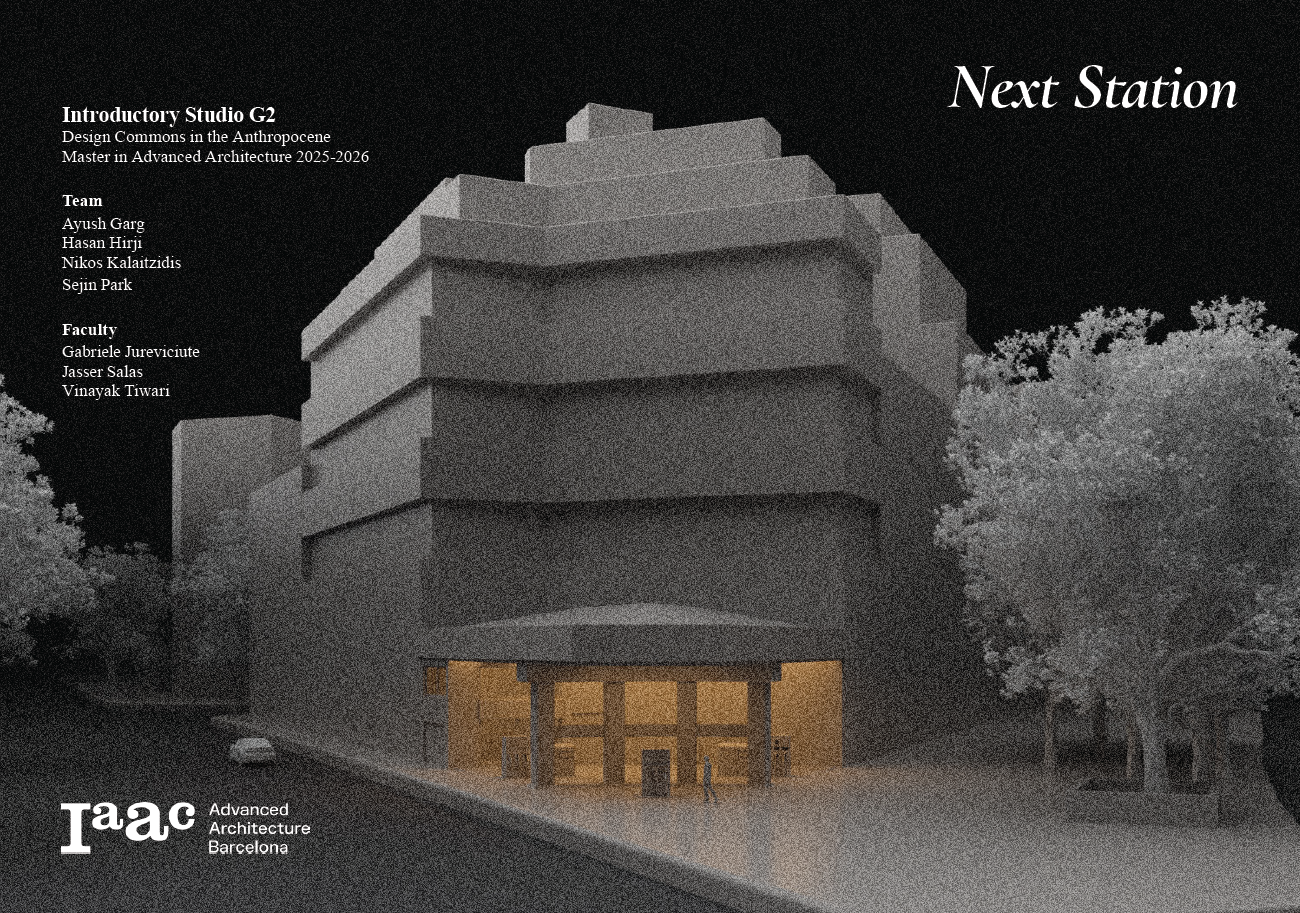
ABSTRACT
THE CITY
AFTER
PETROL
It is rare for a city to lose a vast system of buildings and land. However, today in 2025, in the midst of climate change and industrial shifts, it is possible to imagine a near-future scenario where the urban gasoline stations distributed across our cities steadily become obsolete and abandoned. In Catalonia, this phenomenon can already be observed.
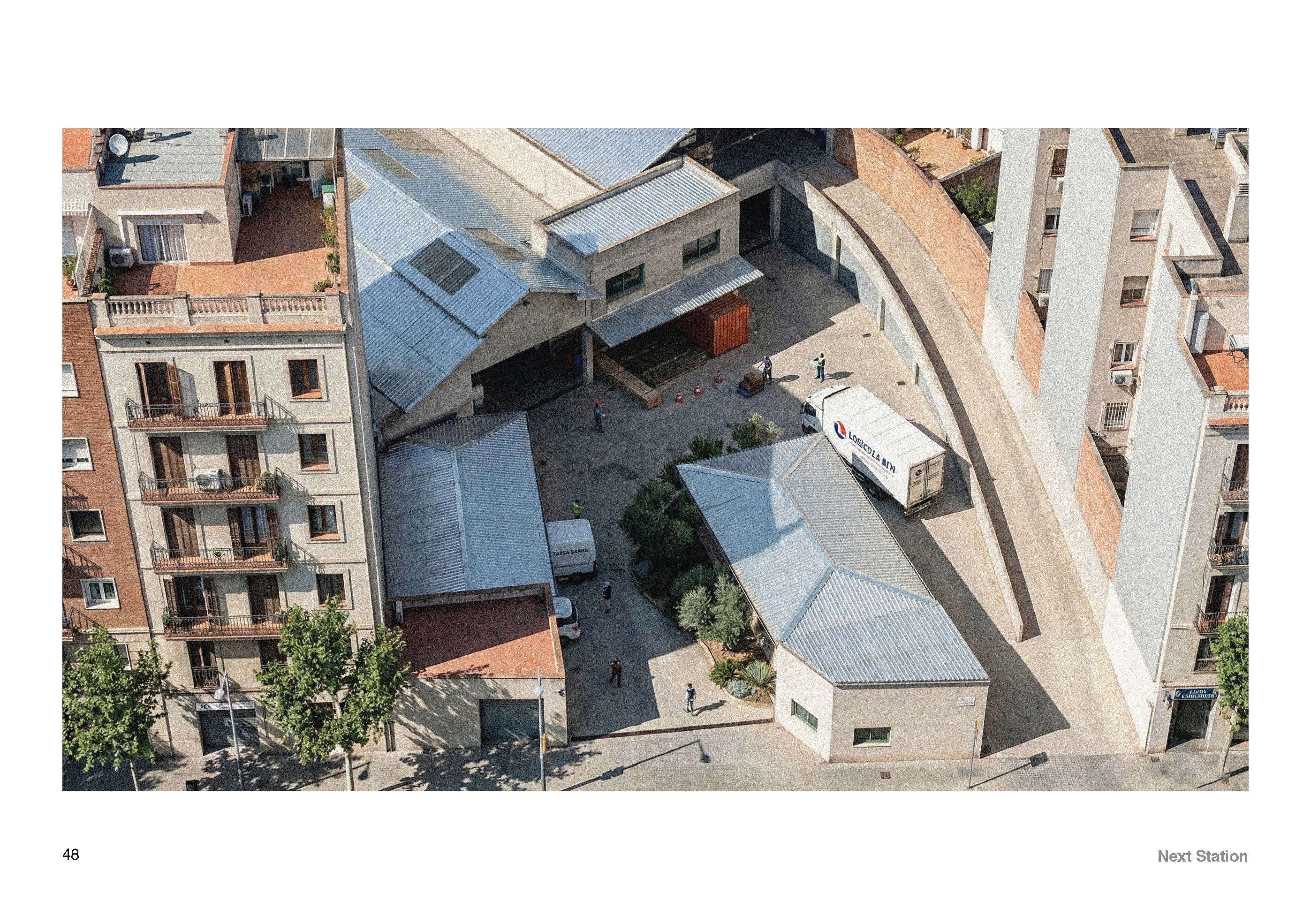
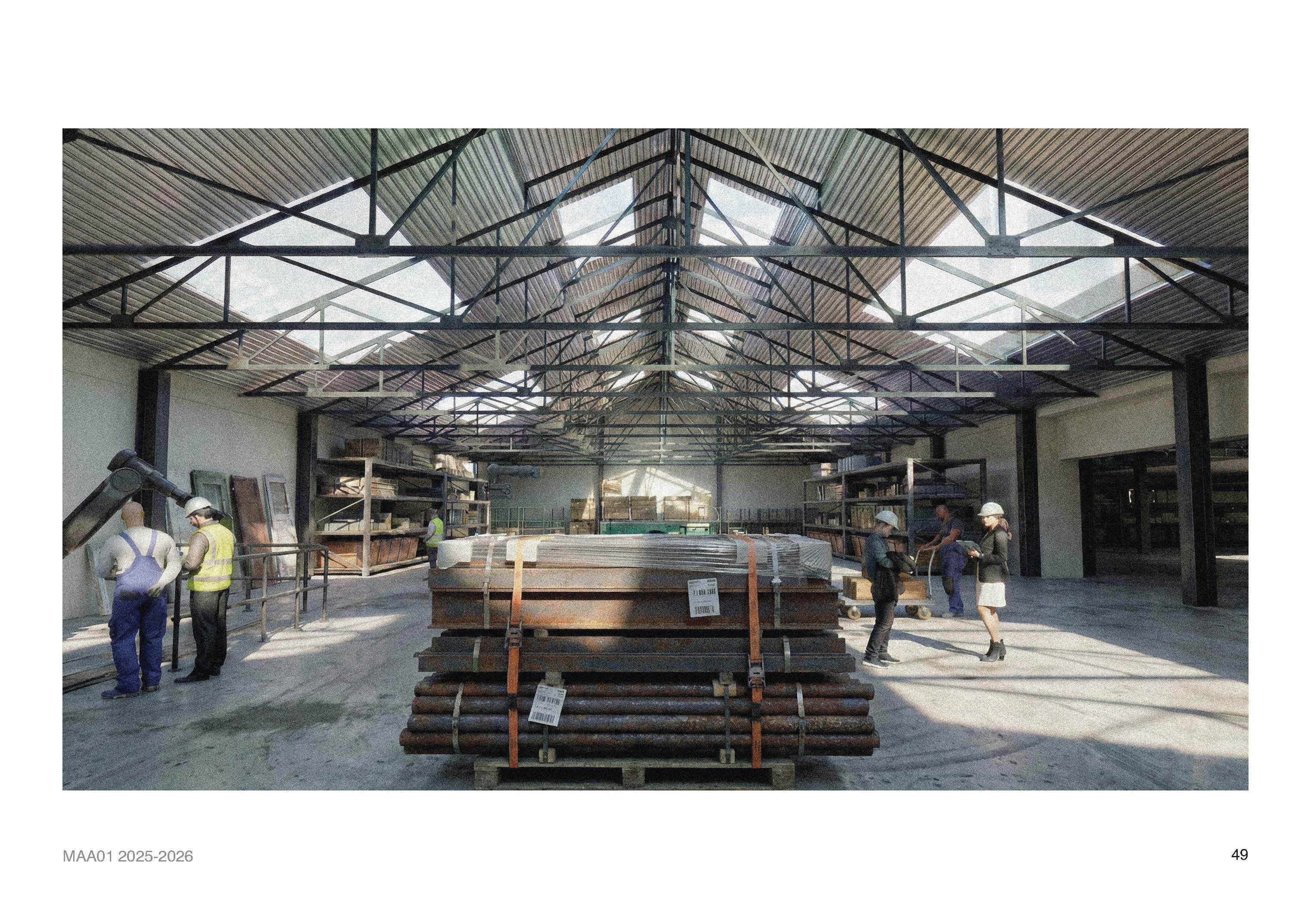
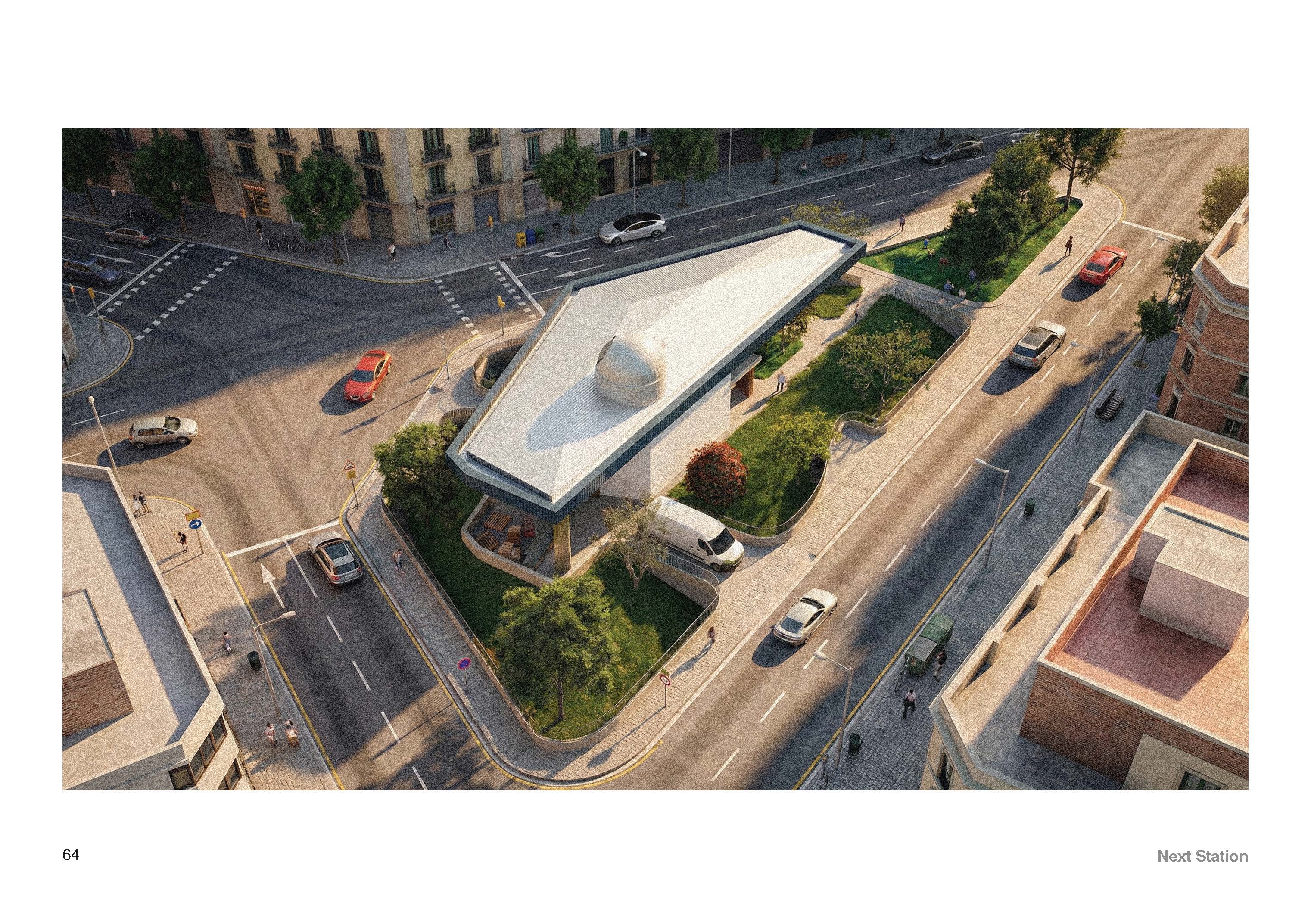
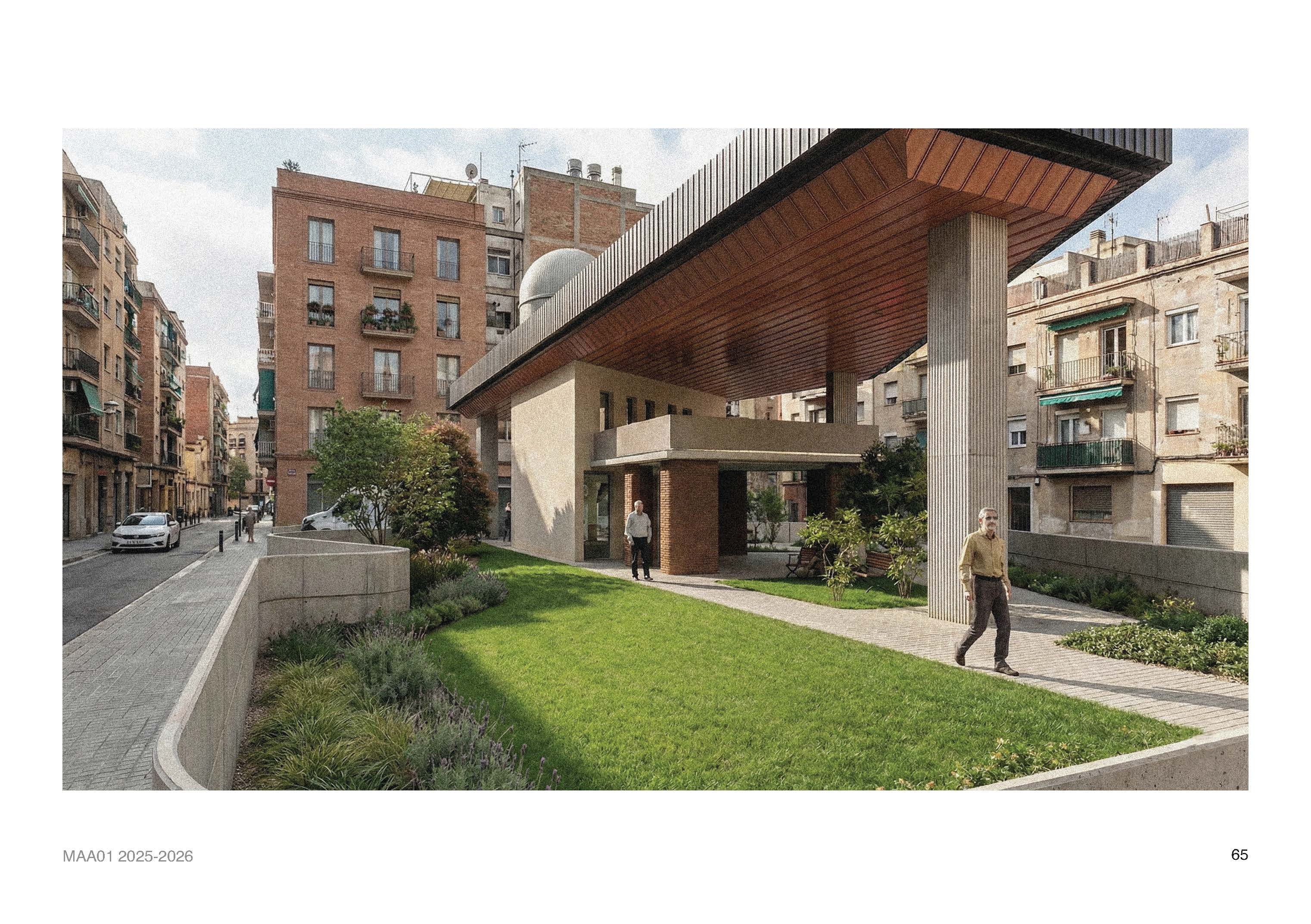
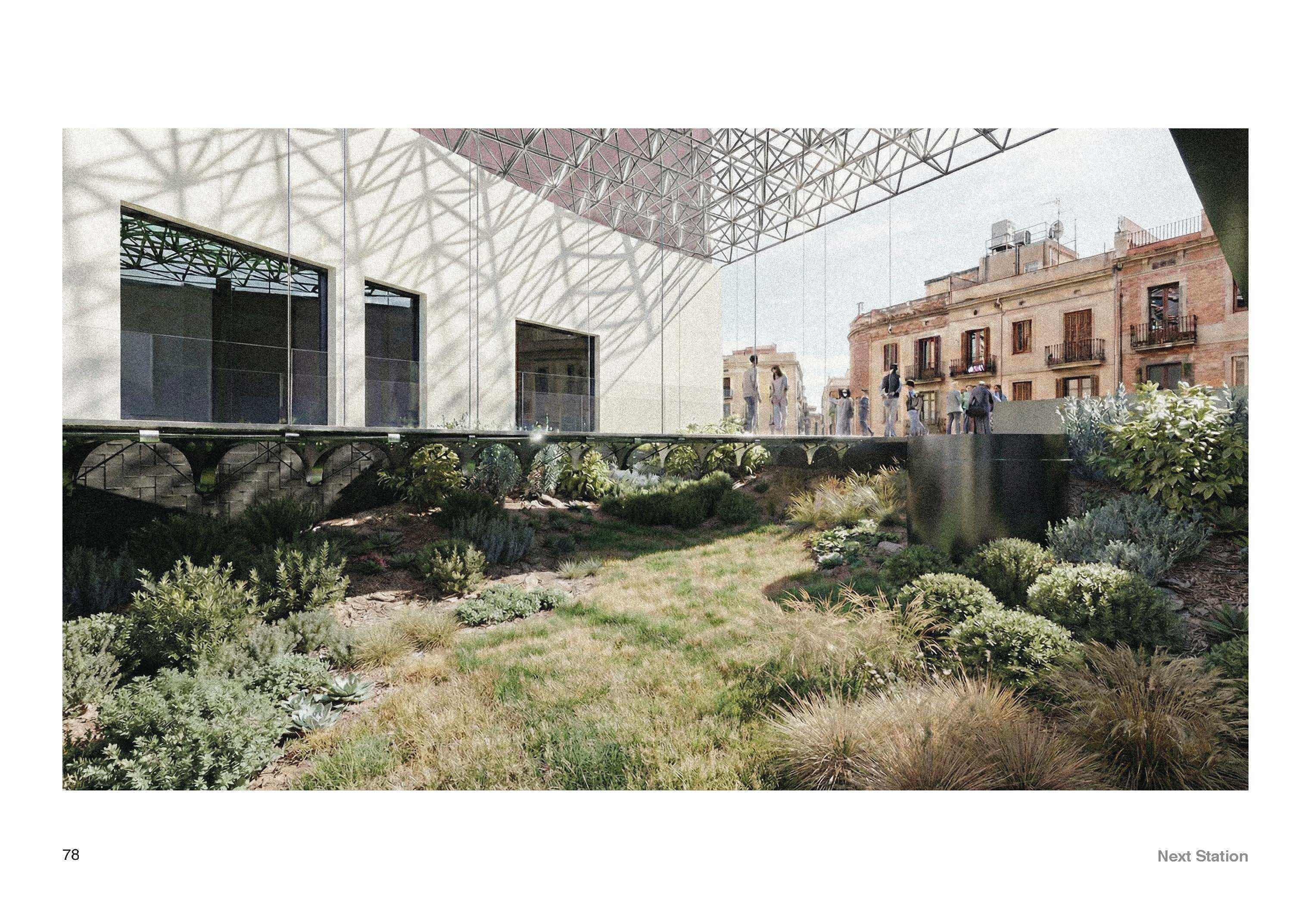
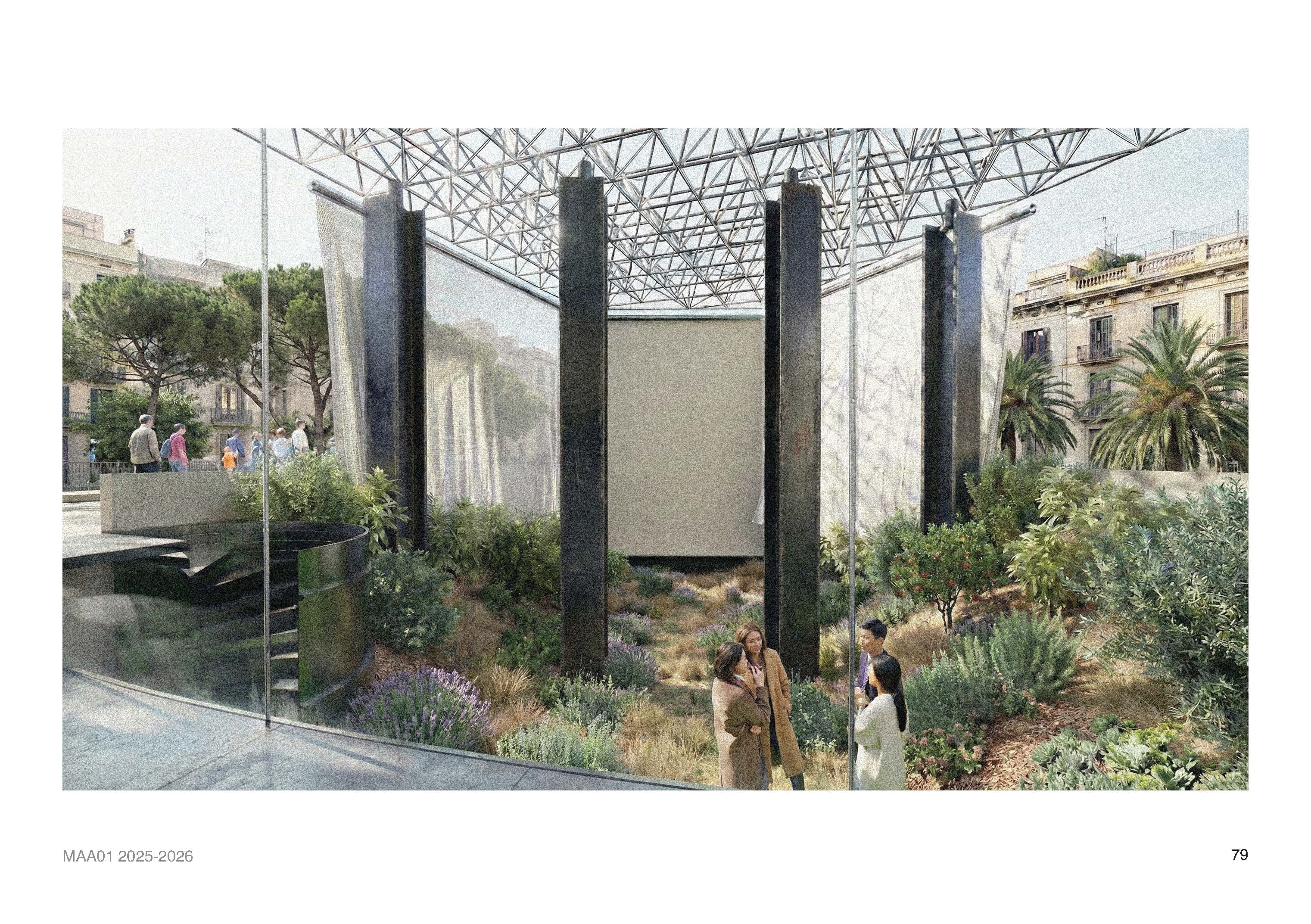
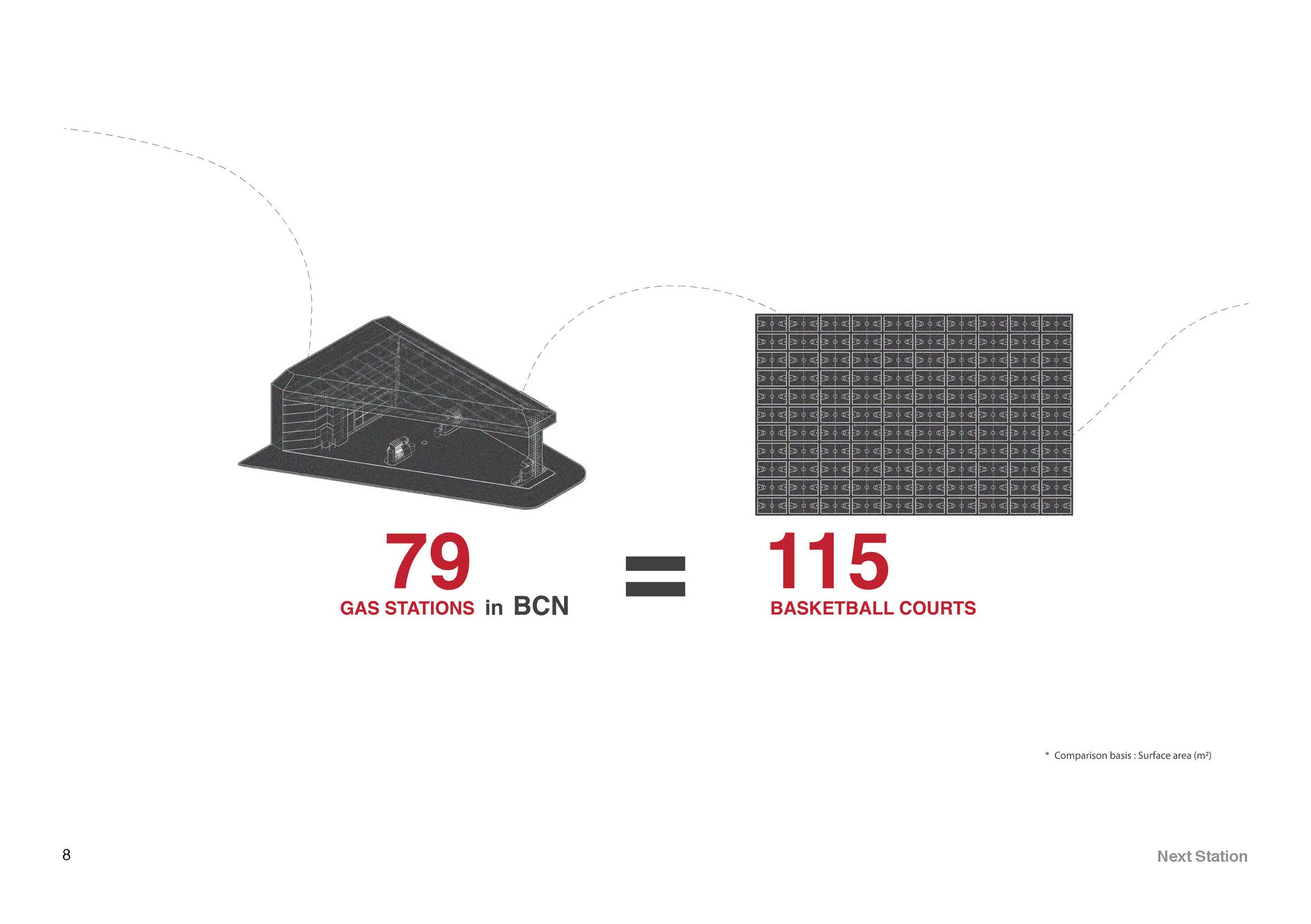
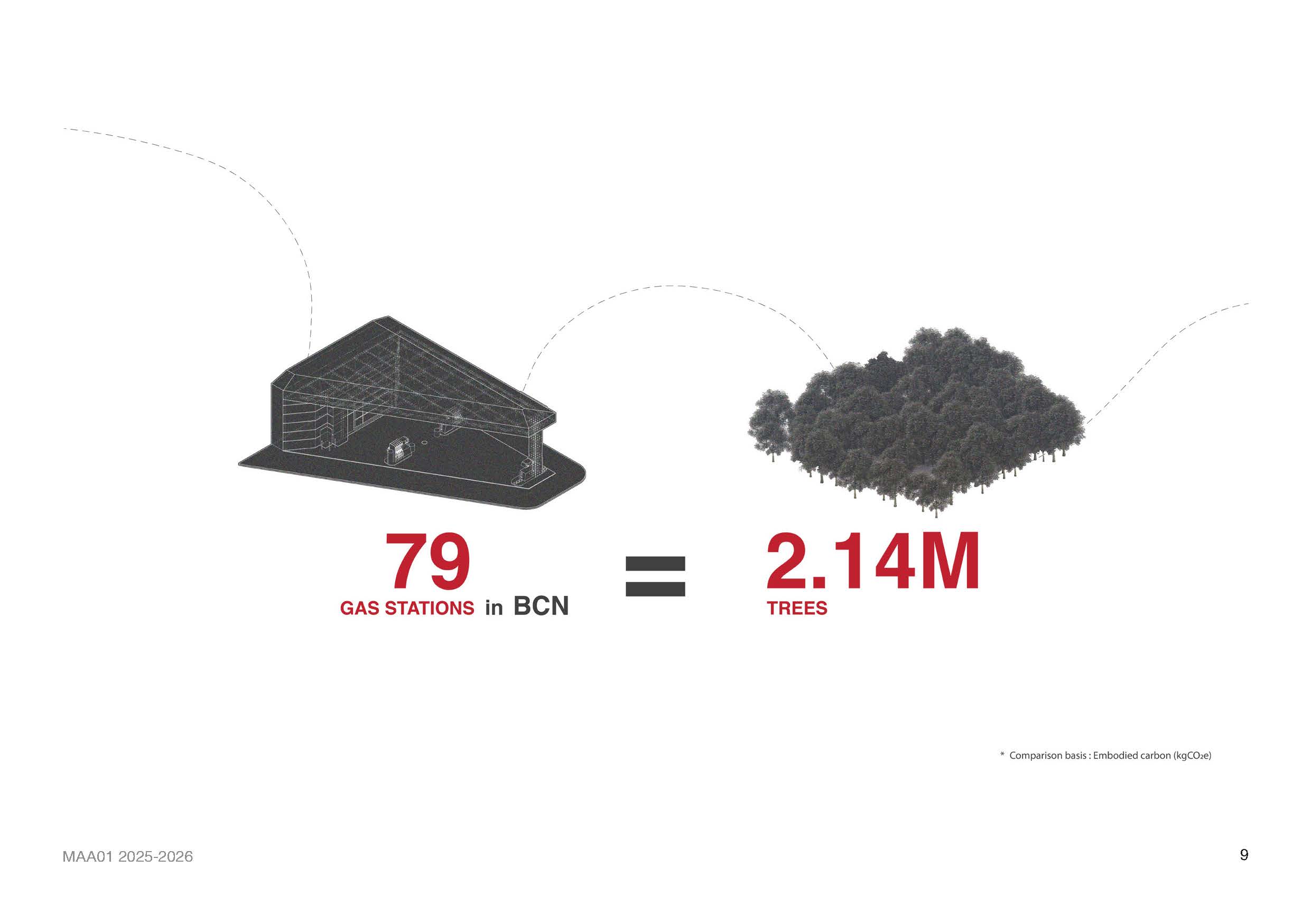
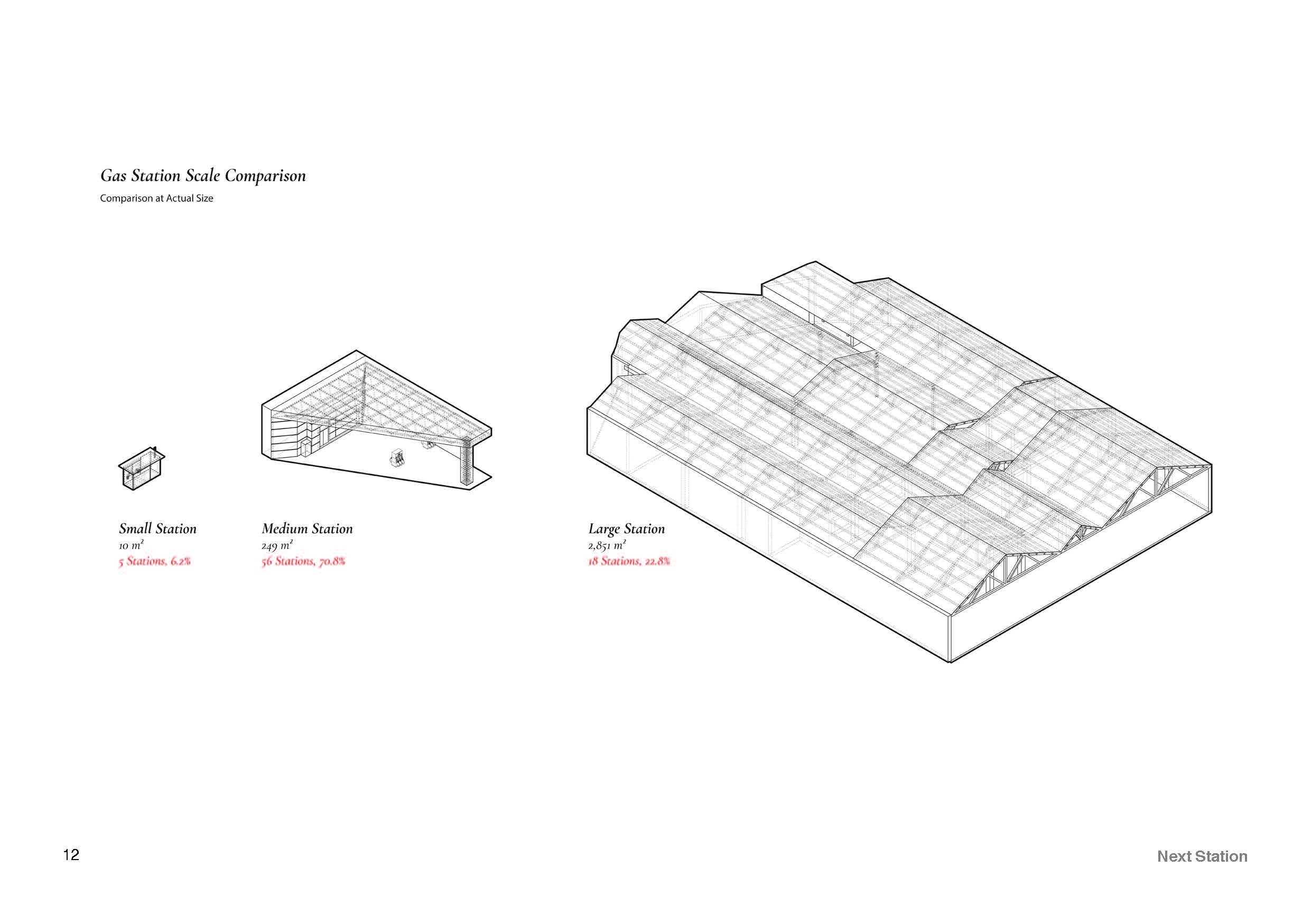
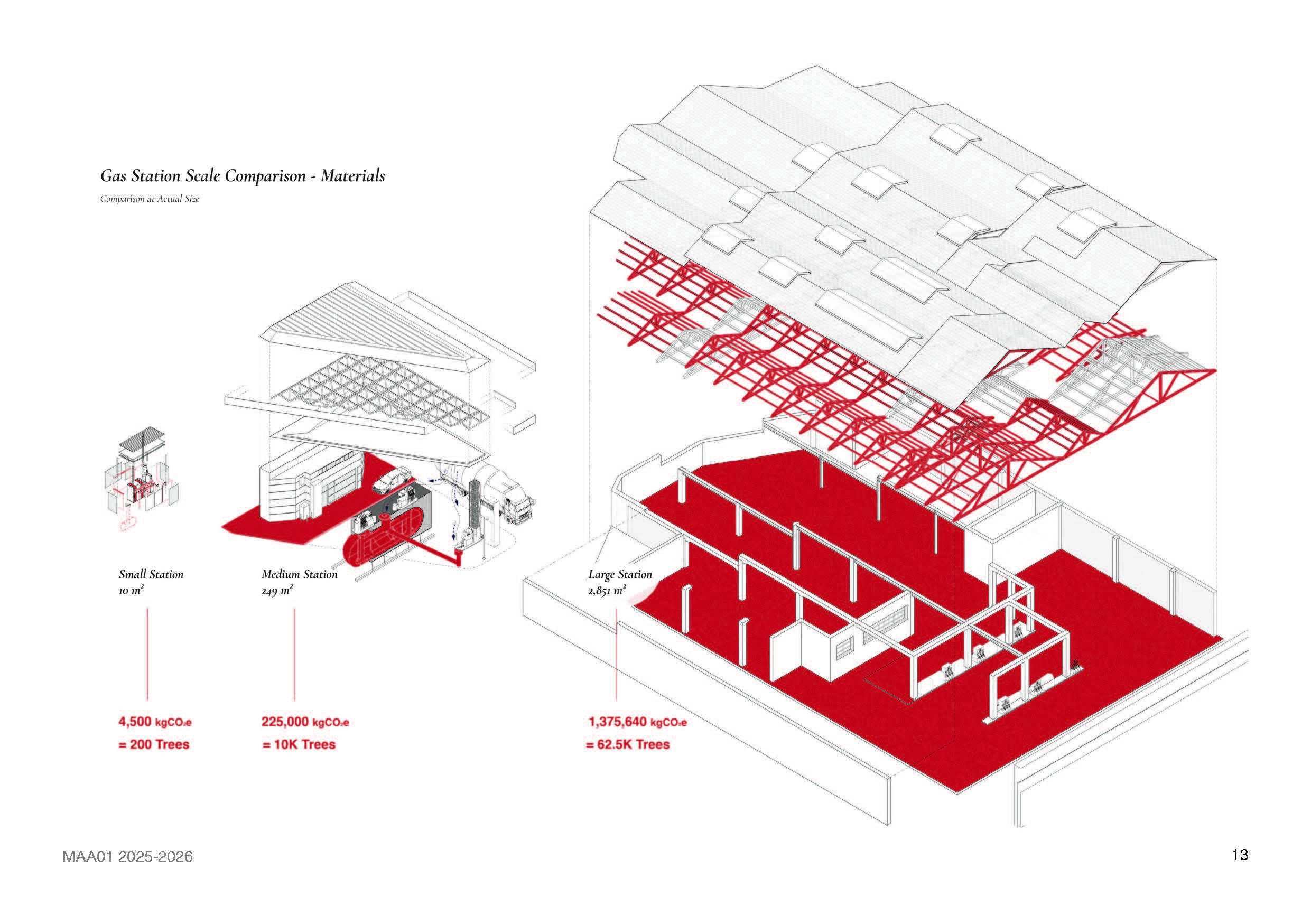
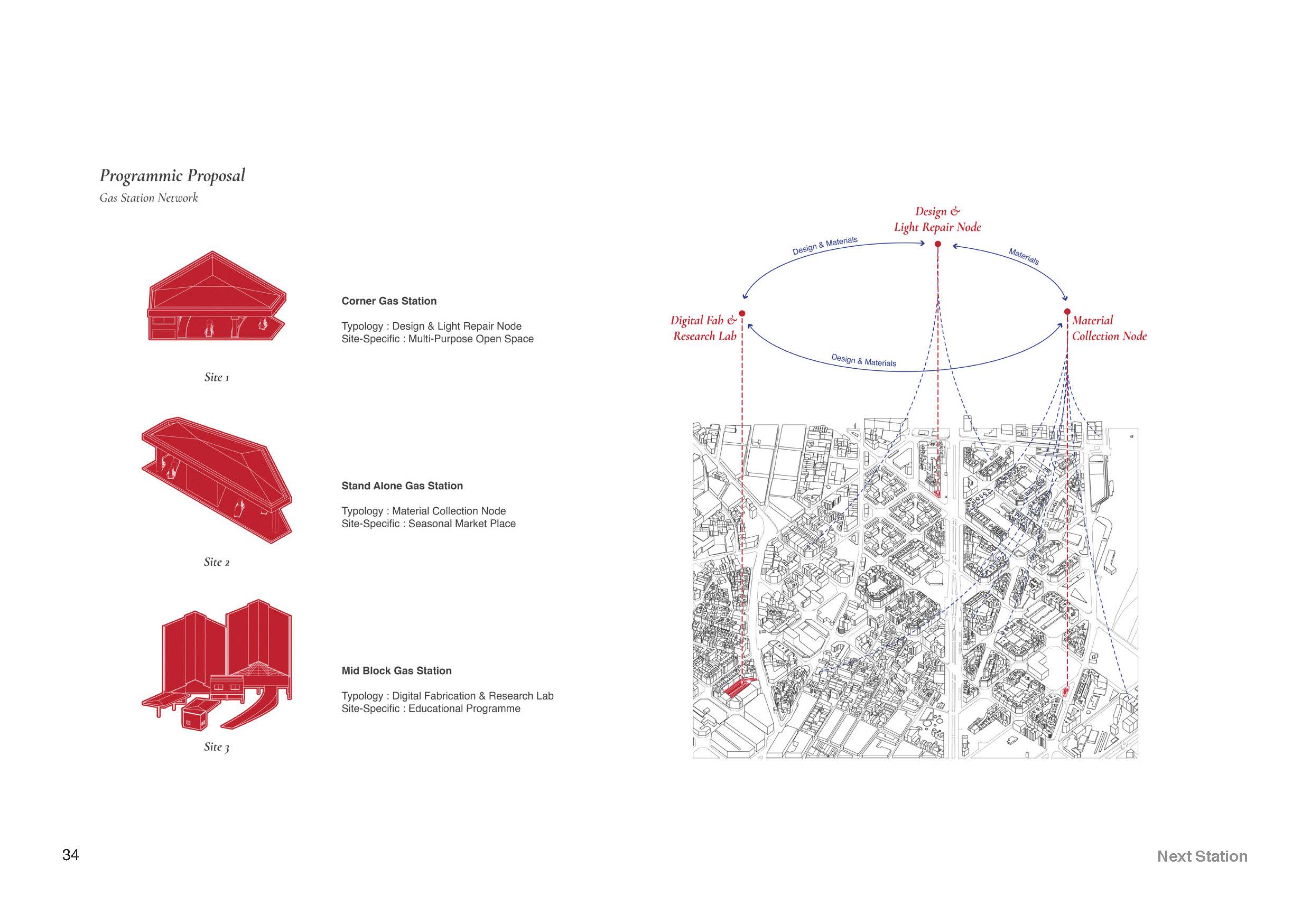
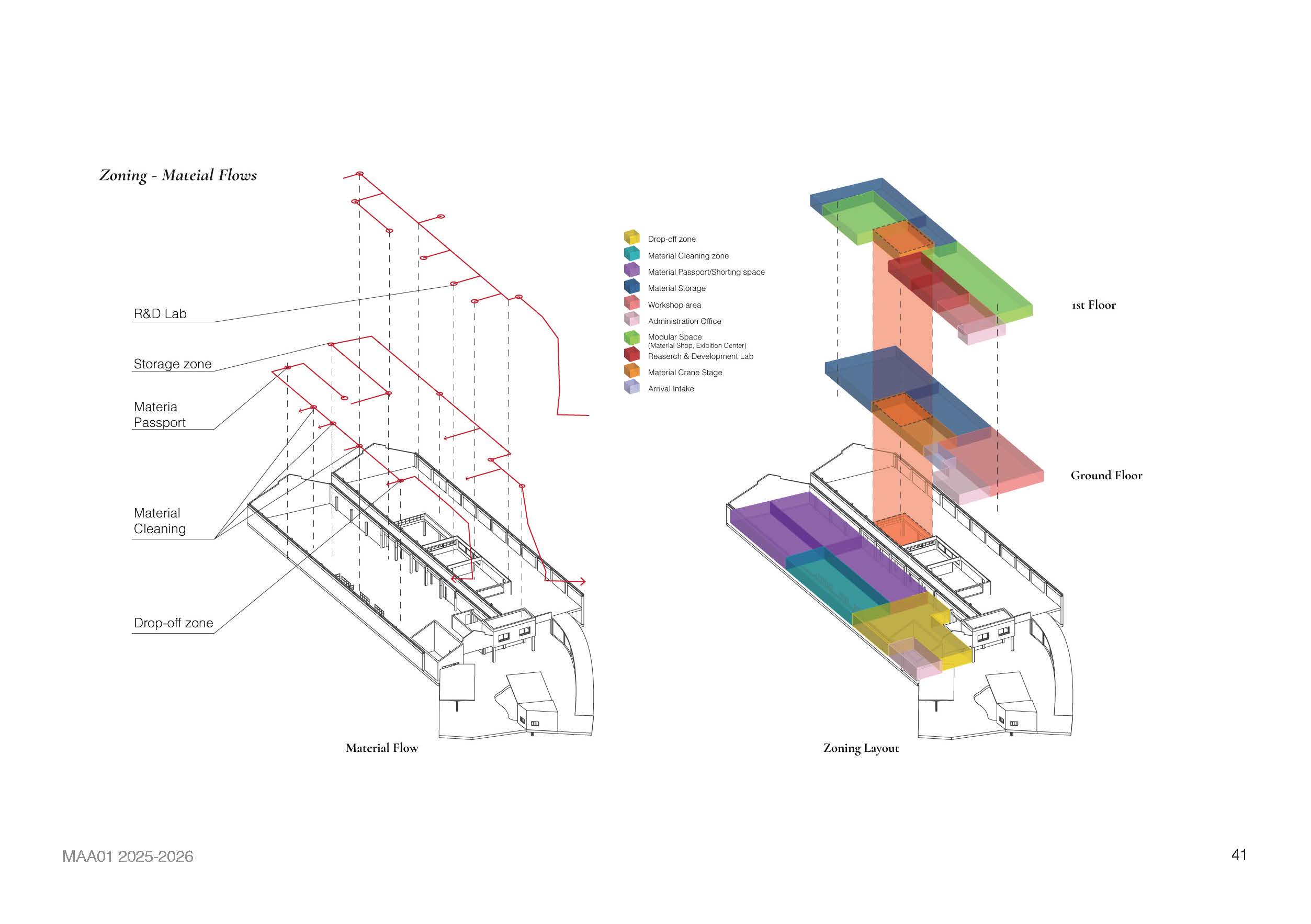
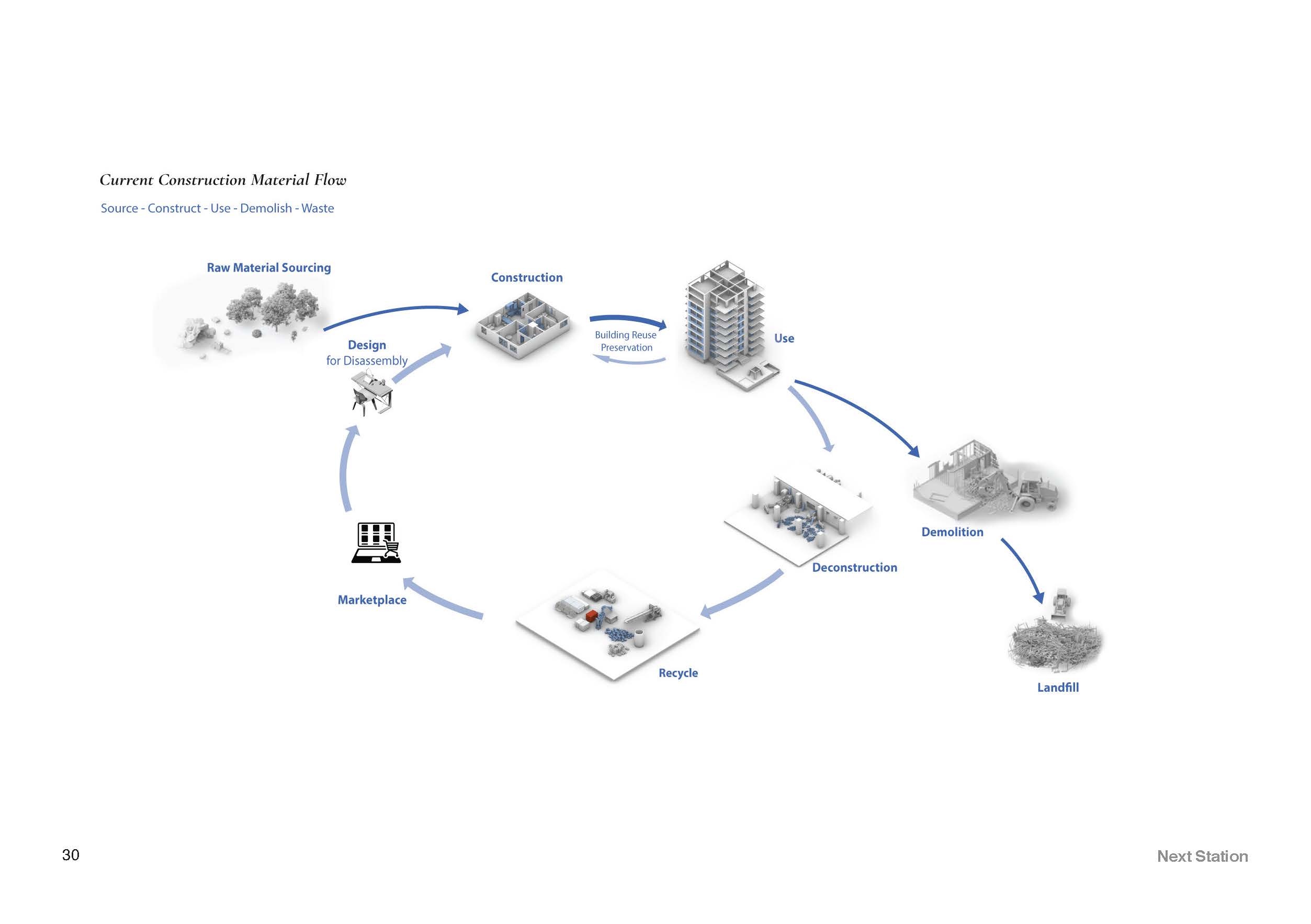
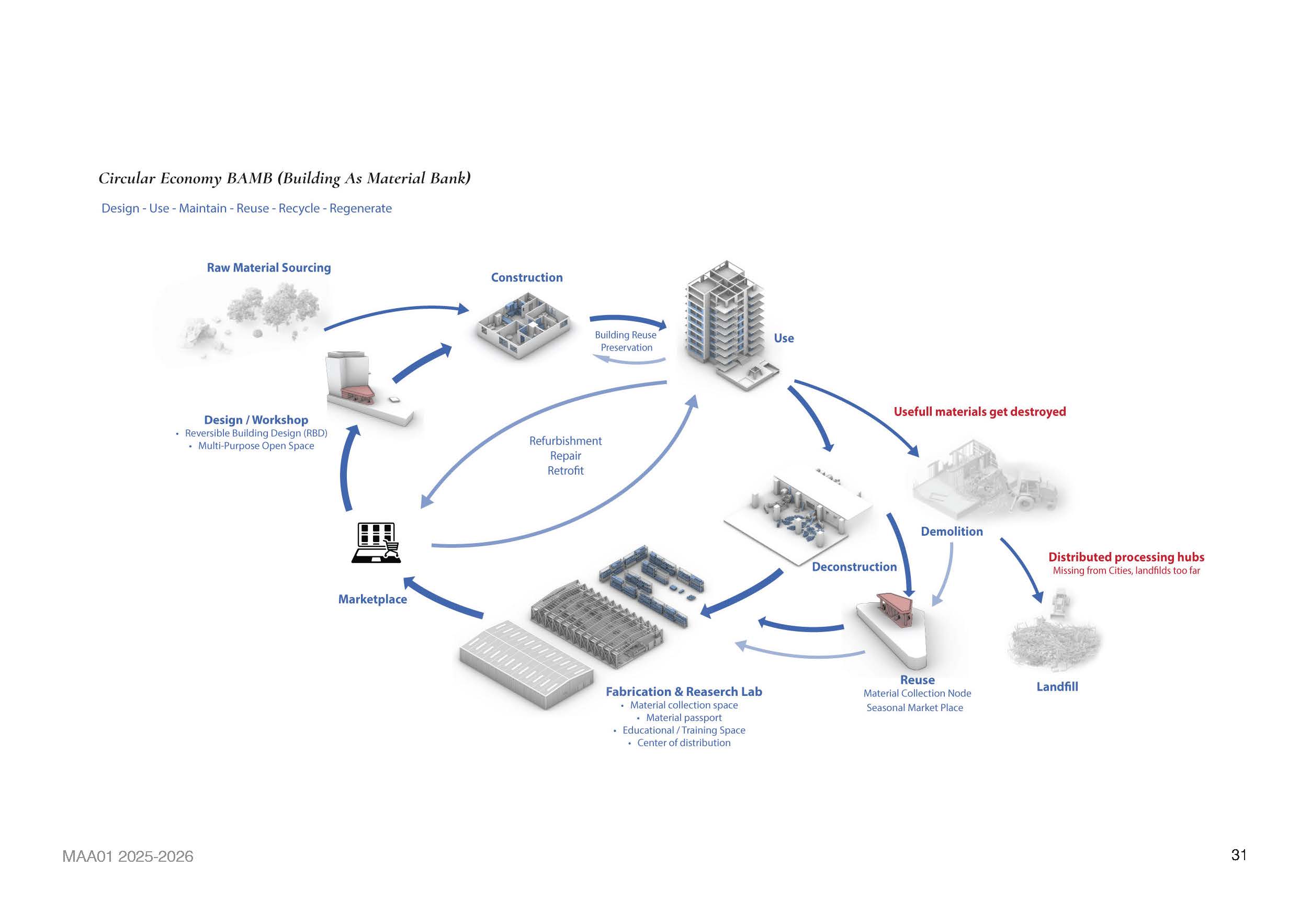
Through multidisciplinary research methods focussing on oil leakage, soil contamination, urban policy, and material reuse, this project redesigned 3 gas stations in Barcelona while imagining future pathways for the network of 79 gas stations within the city.
02 / RENDERS
03 / PROCESS
PHASES OF
TRANSFORMATION
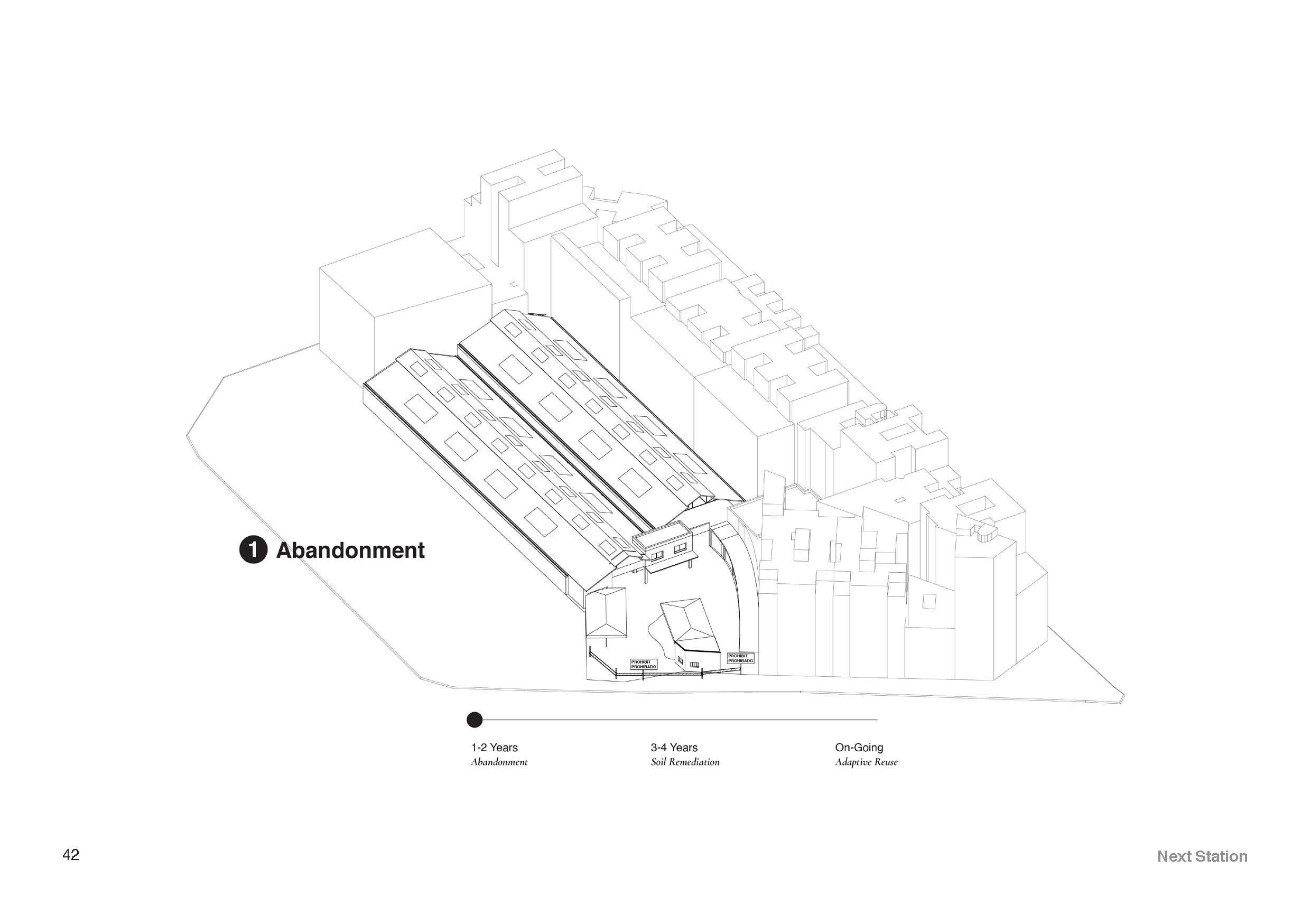
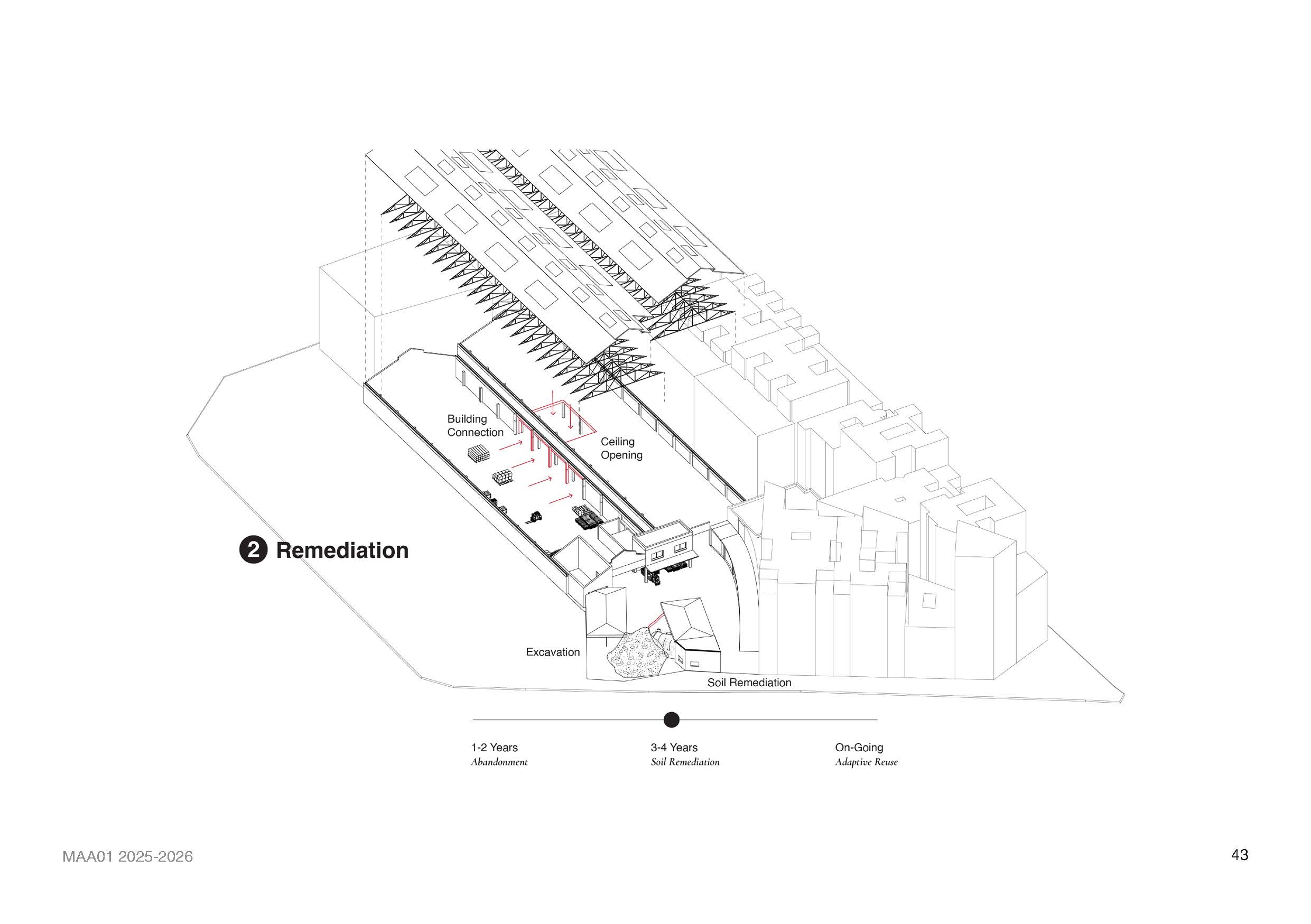
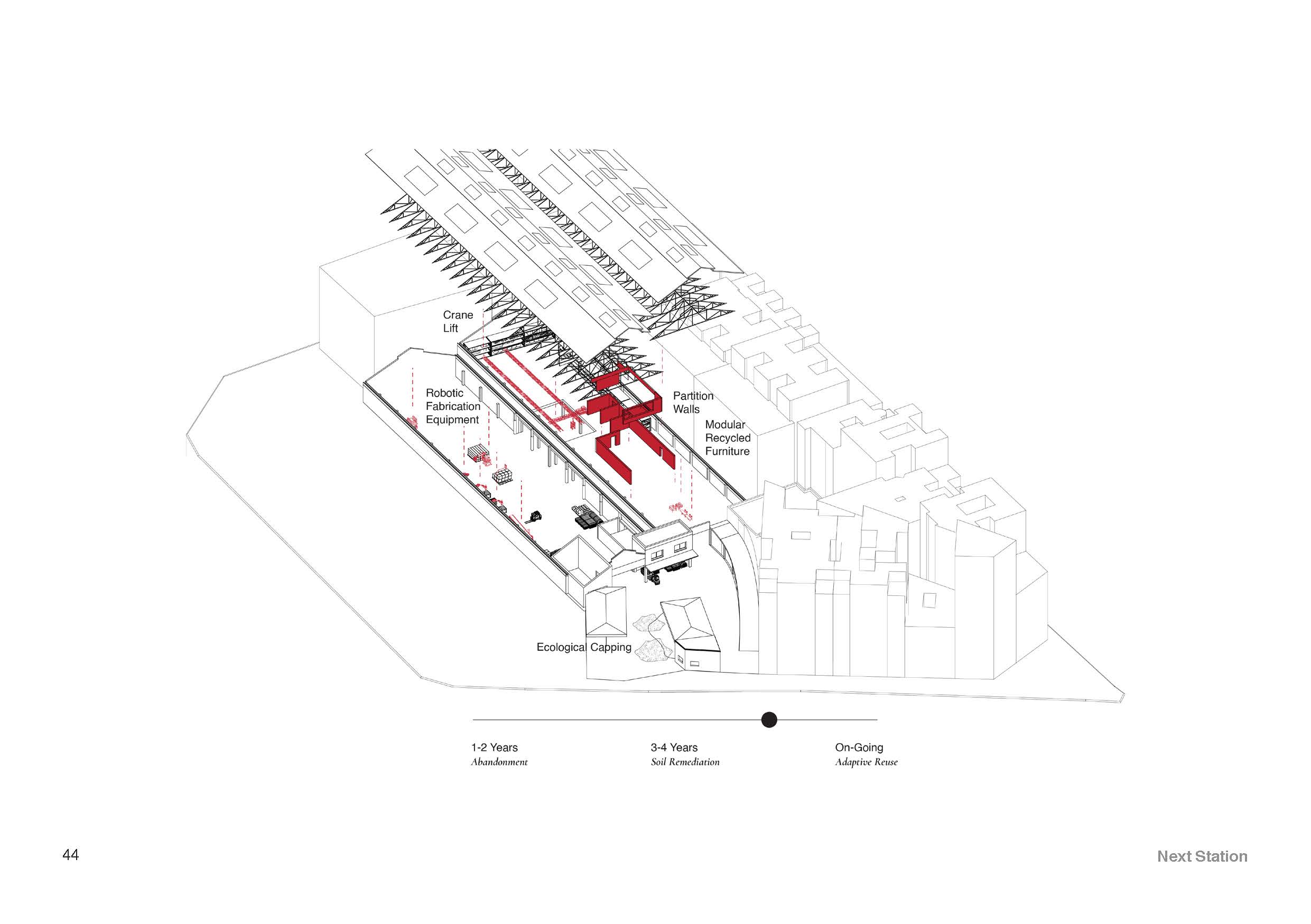
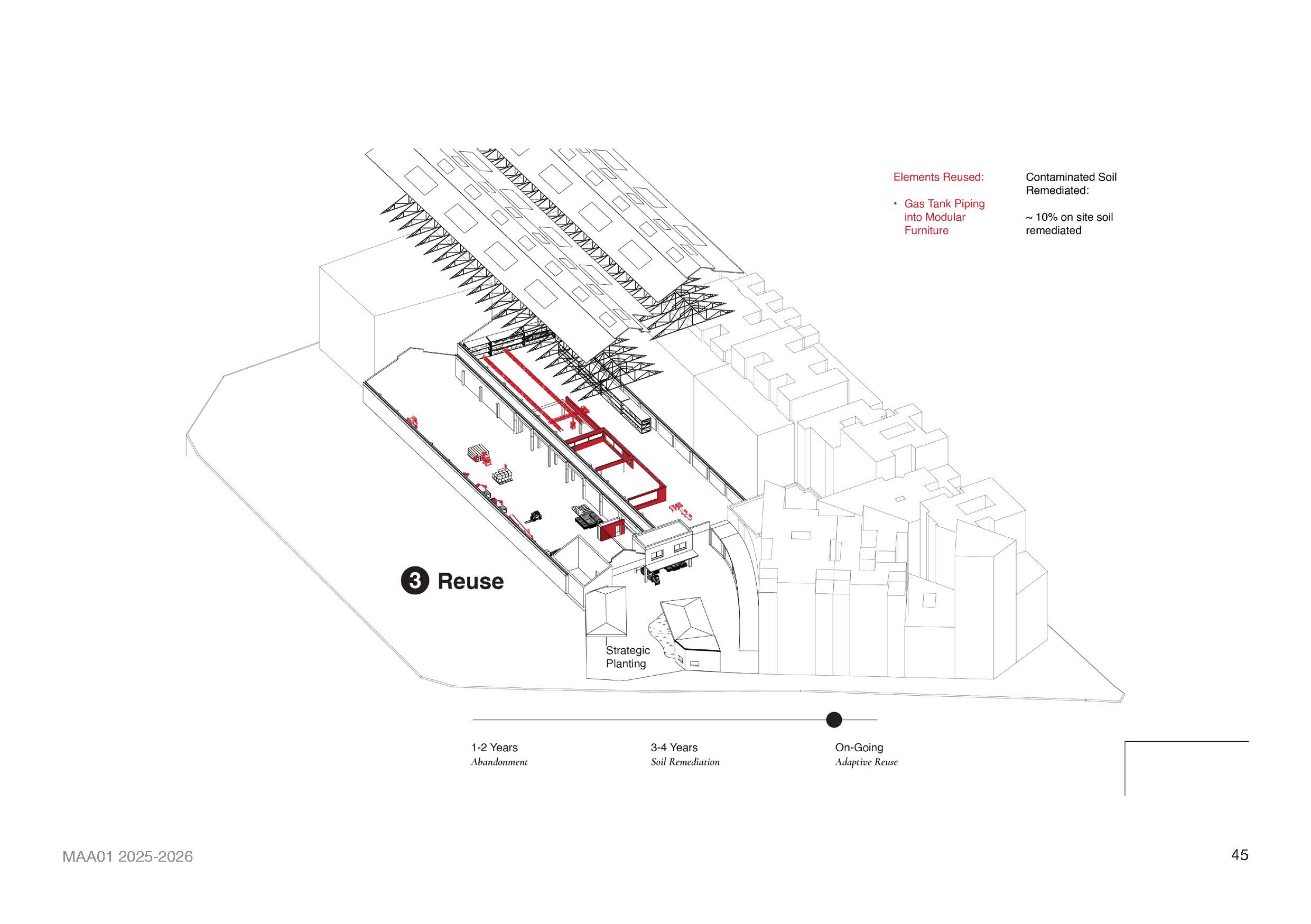
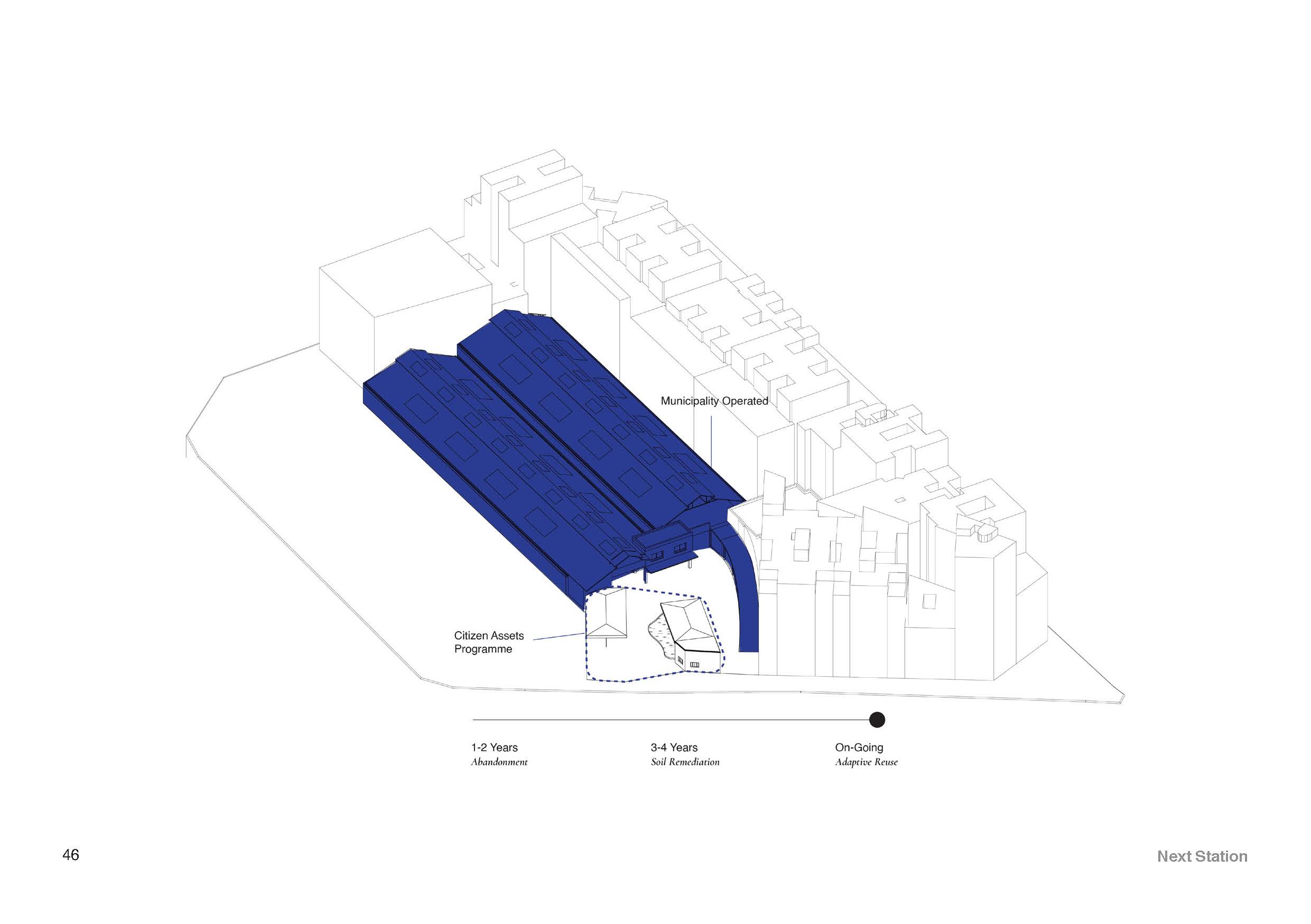
From abandonment through soil remediation to adaptive reuse — each gas station undergoes a multi-year transformation sequence. The animation cycles through the four key phases of the process.
04 / DRAWINGS & PLANS
05 / DIAGRAMS
06 / PHYSICAL MODEL
BARCELONA
CITY FABRIC
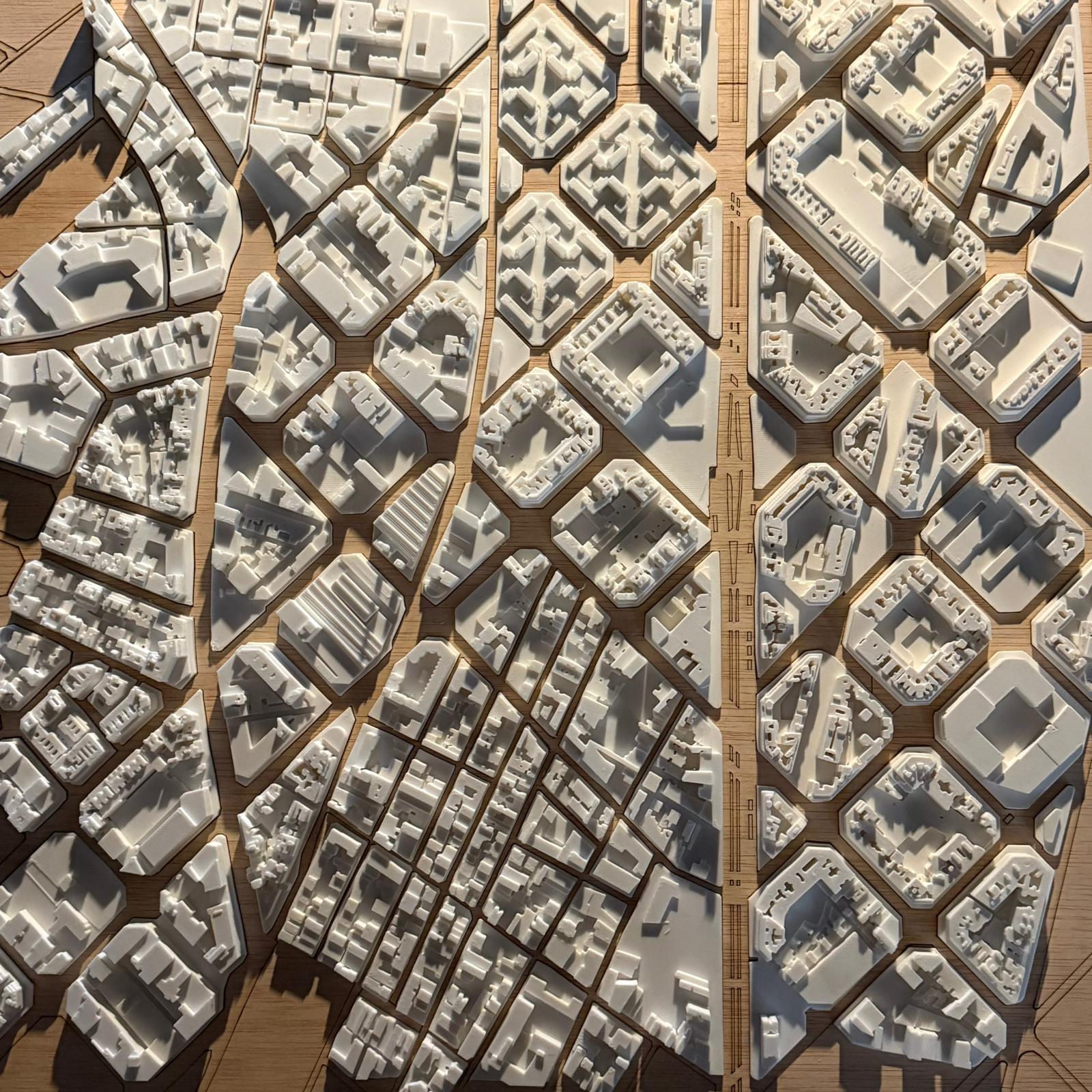
1:1000 scale model of the Eixample district showing the dense urban grid of Barcelona and the distributed network of gas station sites targeted for adaptive reuse.
TEAM
Nikos Kalaitzidis
Sejin Park
Hasan Hirji
Ayush Garg
FACULTY
Gabriele Jureviciute
Jasser Salas
IAAC — MAA01 Introductory Studio G2
Master in Advanced Architecture 2025–2026